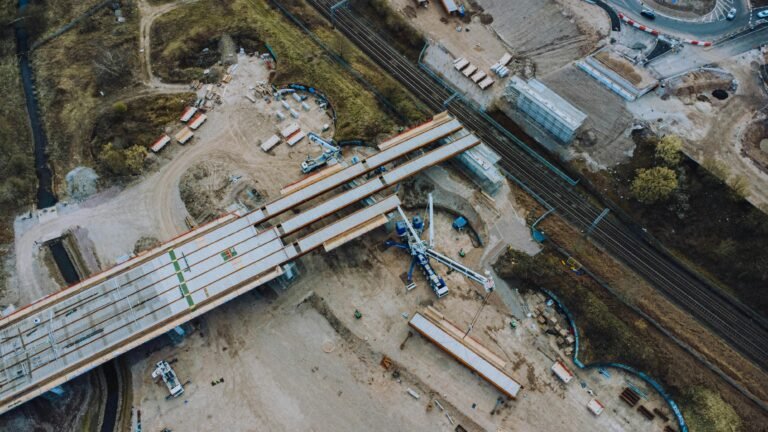
There is a fascinating intellectual dissonance in how we view development. For years, as you drove past massive logistics hubs, expanding fiber networks, and sprawling solar fields across East Africa, you were looking at the physical manifestations of growth. Yet, if you turned to the Nairobi Securities Exchange, that dynamic economic energy was nowhere to be found. The bourse felt detached from the literal groundwork being laid across the country. Infrastructure belonged to the realms of opaque private equity, development finance institutions (DFIs), or staggering foreign-currency sovereign debt.
That mismatch officially cracked.
On May 19, 2026, the ceremonial bell rang at the NSE to welcome the Spearhead Africa Infrastructure Fund (SAIF). Raising KSh 3.4 billion in its debut, SAIF enters the books as Kenya’s very first listed infrastructure debt fund. Managed by Spearhead Africa Asset Management and backed by heavyweight local and international capital (including the UK government’s MOBILIST programme and Kenya’s CPF Group), this vehicle represents more than just a new ticker symbol. It is a structural re-engineering of how we finance our future.
The Ghost of Mismatched Markets
To appreciate why SAIF is turning heads, we must look at the structural trap that historical infrastructure financing fell into. Traditionally, if you wanted to build a renewable energy plant or a massive cold-storage logistics node in East Africa, you took out loans dominated in US Dollars or Euros.
The economic comedy or tragedy of this approach is obvious to any finance professional: your revenues are generated in local currency (Kenyan Shillings), but your liabilities are exposed to volatile global currency fluctuations. When the shilling fluctuated in years past, the cost of servicing that debt skyrocketed, killing project economics and draining public coffers. Furthermore, these investments were deeply illiquid, trapped in long private market cycles that locked out local institutional capital.
SAIF flips this script by creating a Kenyan Shilling-denominated, regulated, and tradable infrastructure debt product. It seamlessly connects local projects needing senior debt with local institutional capital looking for yield.
This hasn’t happened in a vacuum. 2026 is proving to be a breakout year for the Kenyan capital markets. With market capitalization crossing the KSh 3 trillion mark, driven by major state-led listings like the Kenya Pipeline Company (KPC) and structural innovations like the ALP REIT in March, the market is actively shifting from traditional equities toward sophisticated alternative assets.
Unlocking the KSh 2.8 Trillion Pot
The current market sentiment surrounding SAIF is overwhelmingly optimistic, and for good reason. Kenya’s retirement benefits sector sits on an asset pool exceeding KSh 2.8 trillion. For a long time, pension trustees have faced a dilemma: how to find long-term, predictable assets that match their multi-decade liabilities without over-allocating to volatile equities or ordinary government bonds.
As National Treasury Cabinet Secretary John Mbadi pointed out during the launch, closing Africa’s massive infrastructure financing gap requires moving away from pure public debt toward market-based solutions. SAIF bridges this gap perfectly for institutional investors like CPF Group. It offers them a transparent, highly regulated avenue to back private-sector-led infrastructure while securing stable, predictable returns for their members.
Equally notable is the evolving nature of international partnership. The UK government’s anchor investment of KSh 1.2 billion through MOBILIST signals a deliberate departure from traditional, passive “donor aid” toward active “impact investing”. They are using catalytic capital to de-risk listings, prove market viability, and let domestic capital do the heavy lifting.
The USP Paradox and Policy Clashes
An intellectual examination requires looking past the celebratory launch photos to analyze the underlying structural nuances.
First, consider the listing venue. SAIF has chosen to debut on the NSE’s Unquoted Securities Platform (USP). While the USP is an exceptionally efficient mechanism for large institutional block trading and private market transitioning, it raises an important question about the true meaning of “democratizing access.” If an asset class is listed but sits on a platform tailored primarily for institutional eyes, how long before the sophisticated retail investor can seamlessly participate in these infrastructure yields? For financial literacy and capital inclusion to reach their peaks, the bridge from the USP to the main trading board must eventually be mapped out.
Second, there is a fascinating macro-policy dynamic at play. As SAIF lands on the bourse to fund private-sector-led infrastructure (like green energy and digital networks), parliament is concurrently debating the National Infrastructure Fund Bill, 2026. The state’s proposed fund aims to pool domestic pension assets for catalytic national public works like highways, railways, and ports.
This sets up a constructive competition for domestic liquidity. Will Kenyan capital yield better risk-adjusted returns and developmental impact by backing private, agile commercial projects via vehicles like SAIF, or by absorbing state-coordinated public infrastructure debt?
Where Do We Go From Here?
The listing of SAIF is a clear signal of where East African capital markets are heading. If SAIF successfully deploys its initial KSh 3.4 billion and achieves consistent, predictable payouts, it will serve as a powerful proof of concept.
We can anticipate a wave of similar local-currency infrastructure debt funds across the region, turning Nairobi into a vibrant hub for alternative investment structures. Furthermore, because SAIF’s target areas sit squarely within renewable energy, logistics, and electrification, the fund will inevitably establish the local gold standard for incorporating strict Environmental, Social, and Governance (ESG) criteria into debt monitoring.
For the modern investor, the message is clear: the boundary between physical development and capital market liquidity is dissolving. The infrastructure backing our everyday life has officially become investable asset classes.