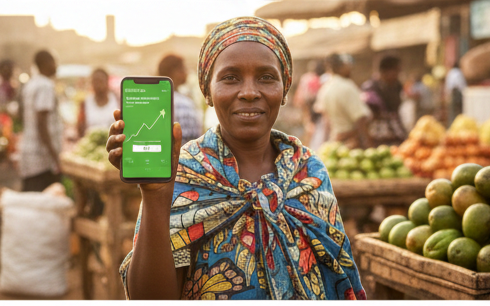
There is something profoundly poetic about the Kenyan government asking for five hundred shillings. It is the ultimate “de-institutionalization” of finance. For decades, the bond market was a fortress, accessible only to those with KES 50,000 to spare and the patience for manual bank forms. By 2027, that fortress is set to become a digital open market.
But as I sat with my coffee this morning, reading about this planned 12%–14% yield, I couldn’t help but think of M-Akiba. It was our first bold attempt at this revolution, yet it ended up as more of a “pilot study” than a market-shifter. If the 2027 rollout is to succeed, we must treat M-Akiba’s failures as the blueprint for our future.
The Friction in the Funnel
M-Akiba had 300,000 registrations but only about 6,000 actual buyers. Why? Because registration was a “click,” but purchasing was a “marathon”. The interface was confusing, and once you registered, the system went silent. The lesson for 2027 is clear: Simplicity must be aggressive. If a user can’t buy a bond in the same amount of time it takes to buy airtime, the retail dream dies.
The Liquidity Trap
The “common man” lives in a world of emergencies. In the past, less than 2% of M-Akiba investors knew they could sell their bonds on the NSE if they needed cash. A retail bond system isn’t just a place to put money; it must be a place to move money. The CBK’s new plan to integrate secondary trading and “rediscounting” directly into the mobile app is the “secret sauce” we’ve been missing.
Higher Stakes, Higher Rewards
With a projected 12%–14% interest rate, the government is finally speaking the language of the market. For context, M-Akiba offered 10%. By 2027, if inflation remains anchored as projected, these bonds will be one of the best ways to protect your wealth from the silent erosion of rising costs.
We are moving from a world where we save in jars and SACCOs to one where we invest in our own nation’s infrastructure. The road to July 2027 is long, but if we have truly learned to listen to the target audience, those 500 shillings might just change the face of Kenyan wealth forever.